Pergola Actuator: How Nice Patio works at 24 V
A pergola actuator moves blades or mobile panels without handle and effort. It matters especially to the pergola with the adjustable blades, where you want to quickly adjust the shade and ventilation. The right choice is based on the force required, the working voltage and the way you control the system.
In short: Nice Patio offers a linear actuator from 1500 N to 24 V, either separately or in a kit with control unit and temperature sensor.
Do you need help choosing?
Tell us what you need and we'll send you the offer on the same working day.
A motorized pergola is used more often than a manual one, precisely because the adjustment lasts a few seconds. The 24 V actuator works at low voltage, and the Patio kit brings the control unit and temperature sensor into the same box. Before ordering it, it shall request the manufacturer of the required force and stroke and the type of catch. Then choose the separate option or the complete kit in the category Pergola automations.
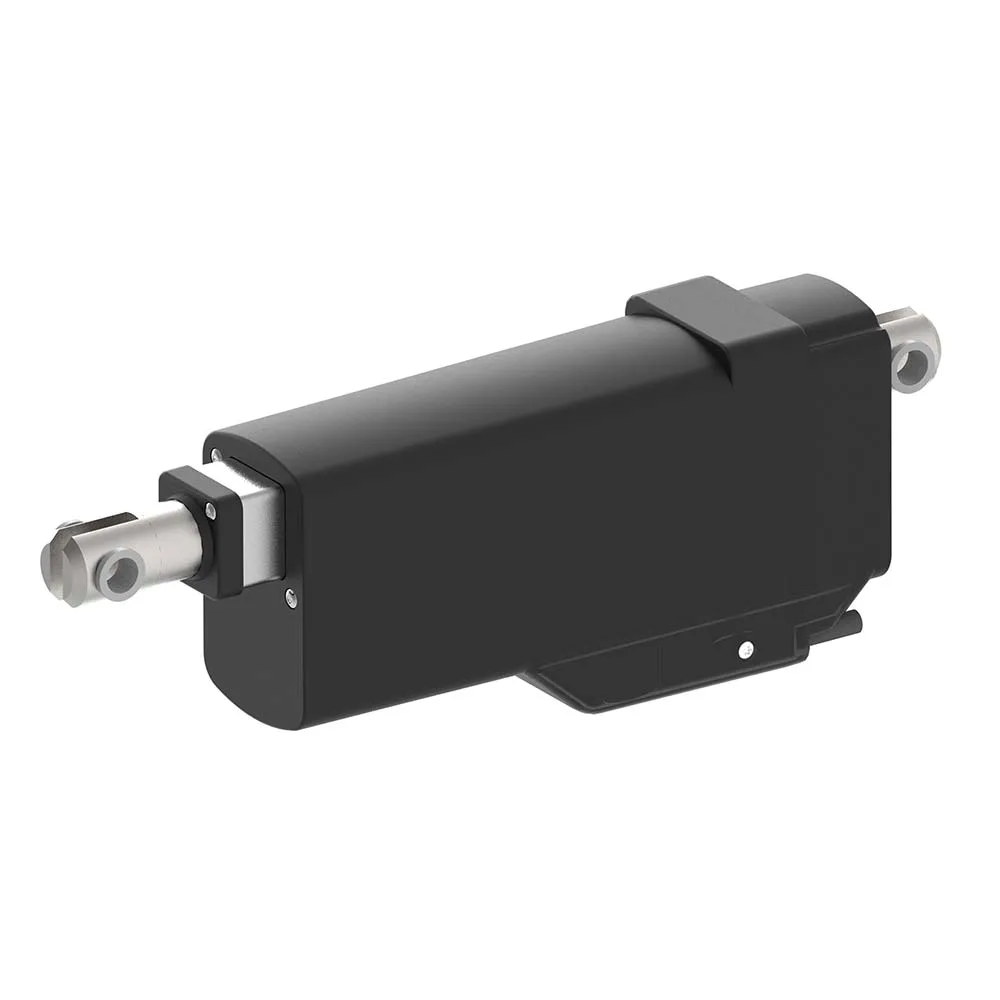
A pergola actuator turns the rotation of an electric motor into a linear, push-and-drop motion. His rod moves the blades or the mobile panel, and you control the shadow from a button push. So the pergola no longer depends on hand cranks or manual adjustment.
Category Pergola automations You find the Nice Patio system, in two variants. The first contains only the actuator, and the second comes as a complete kit. Below we see what the data in the form means and how you choose between them.
What does an actuator do for a pillow?
On a bioclimatic pergola, the blades rotate around their axis. Usually, a common bar ties them together. Actuator pushes or pulls this bar, and all the blades rotate at once. Therefore, a single pergola actuator usually operates a whole field of blades.
Unlike the tubular roller engines, the linear actuator does not involve anything. Instead, he works on a short and strong race. That's why pergolas producers use it where the precision of the angle matters.
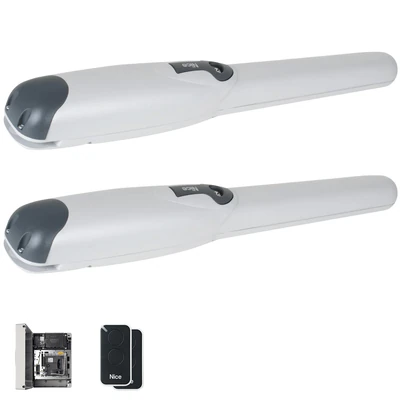
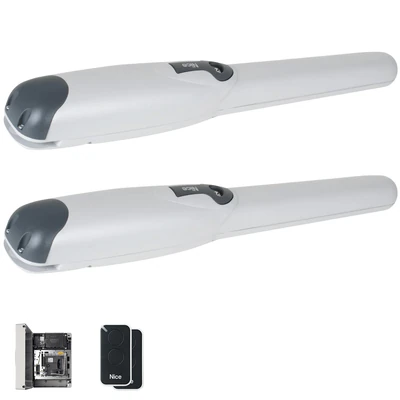
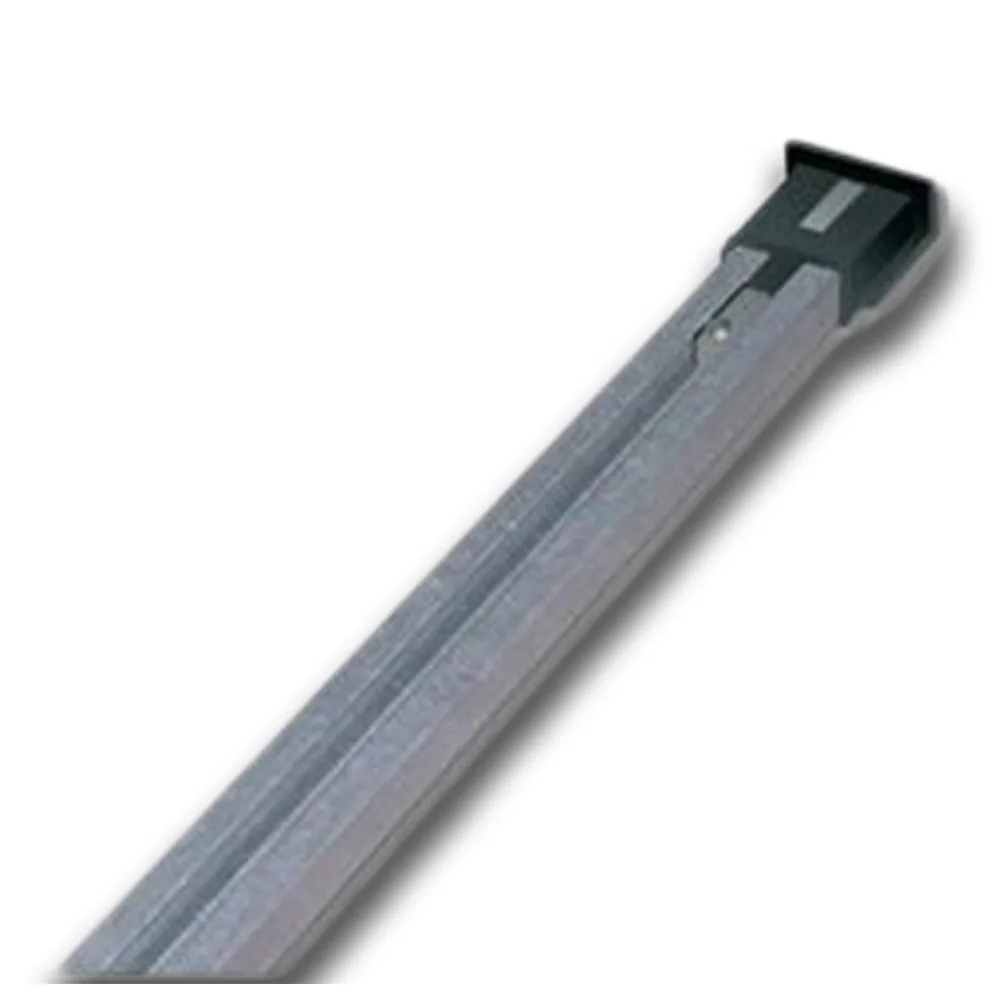
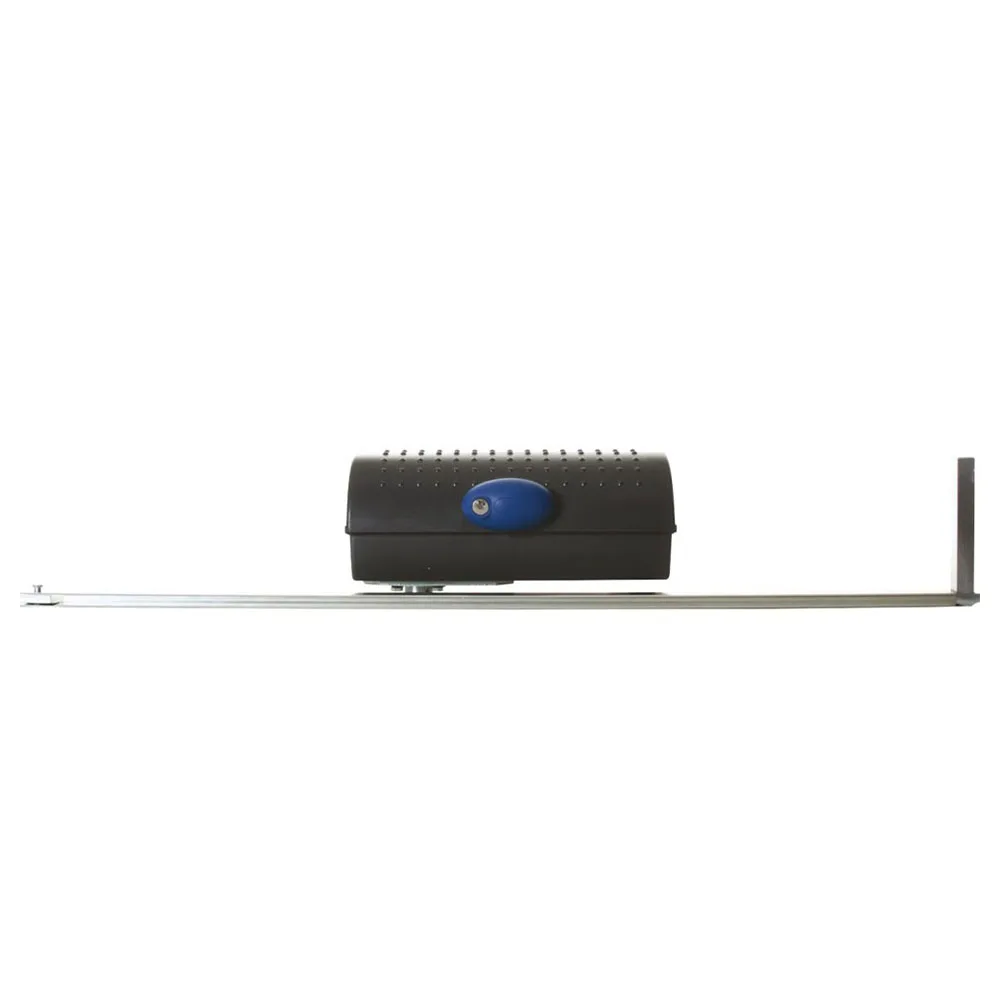
Nice Patio1515: 1500 N to 24 V
Actuator Nice PATIO1515 develops a 1500 N force and works at 24 V. Moreover, both figures matter at choice, especially force.
- The 1500 N force shows how much it can push or pull the rod.
- 24 V voltage means low voltage, suitable for outdoors.
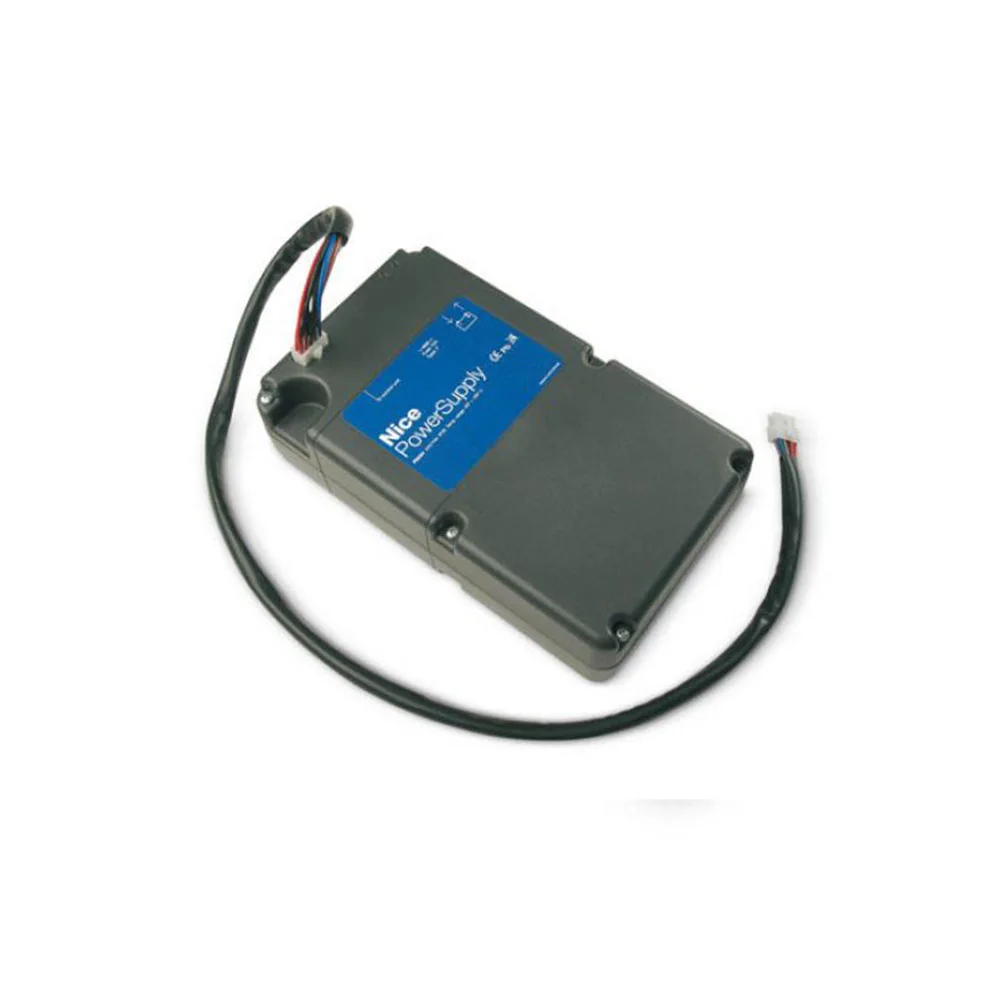
- The Patio model belongs to a Nice system with dedicated control unit.
However, the necessary force depends on the pergola, not the actuator. For example, the weight of the blades, their length and the catch point change the effort. So he asks the pergola manufacturer for the force and race he needs, then compares it to the pergola actuator's chart.
Kit PATIOKIT1515: actuator, control unit and sensor
Kit Nice PATIOKIT1515 starts from the same 1500 N and 24 V actuator. In addition, it includes the control unit and a temperature sensor. So, you get everything you need for a zero pergola automation from the same family.
The temperature sensor adds useful information to the control unit. For example, the system can react to temperature, depending on the permitted unit settings. For precise details on logic, see the Nice Patio manual before installation.
When you buy the actuator separately
The separate version makes sense when replacing or pergola with two blade fields. For example, you already have control unit Nice PATIOCONTROL and you just switch the actuator to the worn-out pergola. At the same time, check if the existing unit accepts another actuator.
How to choose an actuator for the right pergola
- Find out from the pergola manufacturer the required force and stroke the rod.
- Check if the catch on the structure matches the actuator's heads.
- Think about the 24 V cable path to the control unit.
- Choose the location of the unit, away from direct rain.
- Decide from the beginning how you control the system: remote control, wall button or both.
In other words, a well-chosen pergola actuator starts from the existing structure. Only then does the brand and accessories matter.
Pergola control: remote controls and wall plates
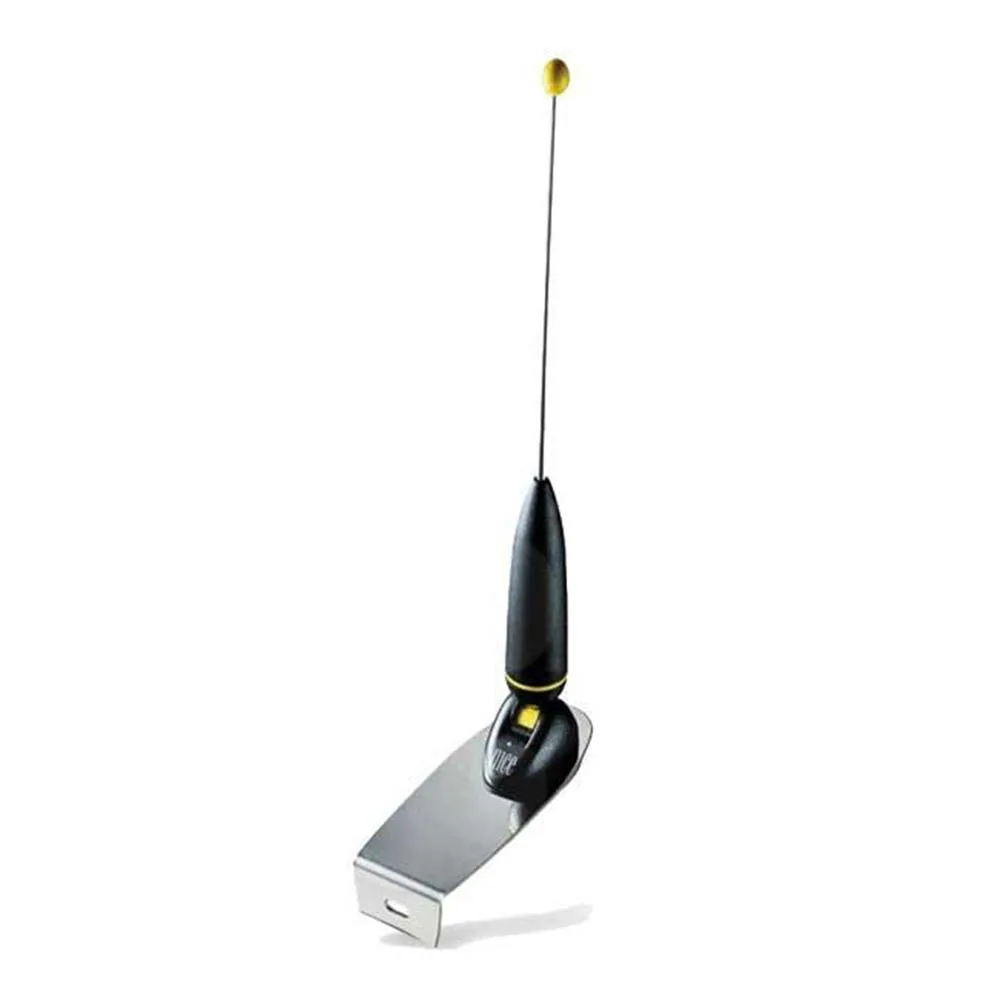
Nice systems use the NiceWay transmitters. For example, Nice WM001G module Commands an open-stop-close automatism regime. Then you put it in a table holder or a wall plate Opla, like Nice WRW plate, white.
Thus, you order the automation of the pergola from the terrace or from the house, without building works. All these accessories are in the category control and programming. However, check the compatibility of the Patio unit receiver with the chosen transmitter.
Common errors in choosing an actuator for the pergola
- The choice after price, without comparing the force with the pergola requirement.
- Ignoring the race, although a too short rod does not completely close the blades.
- Mounting the control unit in the rain.
- Long-track, undersized cables that lower voltage to the actuator.
- The orders were chosen after the assembly, when you have nowhere else to hide the cables.
So, most problems arise before mounting, not after. Especially at large pergola, it deserves a brief discussion with the structure manufacturer. In this case, you receive the exact force and race data. Then choose a quiet pergola actuator from the Nice Patio range.
Mounting and safety to a pergola actuator
First, the assembly calls attention to alignment. If the rod pushes upside down, the force does not transmit correctly, and the wear increases. Also check after assembly the complete race in both directions without obstacles.
On the other hand, the pergola remains an external construction. In some cases, its assembly is governed by local rules on construction, and the normative acts are found on National legislative portal. For the electrical part, he works with an authorized electrician.
Simple maintenance for a pergola actuator
First, periodically clean the dust and leaves rod. Then check the locks and screws on the structure, especially after storms. Finally, test the complete movement at the beginning of the warm season.
For pergolas with side blinds, see also category Oblonous automations. So, you can think of the whole shadow zone as a single project.
Frequently Asked Questions about Pergola Actuator
What's 1500 N?
It represents the force that the actuator's rod develops. In practical terms, 1500 N correspond approximately to the weight of a mass of about 150 kg. However, the force required depends on the geometry of the pergola.
Why 24 V and not 230 V?
Low voltage fits well outside and next to metal structures. In addition, Patio uses a dedicated 24 V control unit.
Can I automate an existing pillow?
Often, yes, if the structure allows a linear actuator to be caught. But first he confirms with the pergola manufacturer the force and the race.
What's the temperature sensor in the kit?
Provides the control unit with temperature information. The system can therefore react to the available unit settings.
Compare the separate version with the complete kit in the category Pergola automations. If you don't know which variant suits you, Automatization Store helps you choose a pergola actuator compatible with your structure.