Industrial hall automations: sectional, folding, sliding
Industrial hall automation means motors and power plants for heavy, heavy and heavy doors. The type of door, the surface, the 230 V or 400 V power supply and the number of cycles per day decide the right model, and the safety completes any serious installation.
In short: Sectionals with BFT PEGASO or ARGO, foldable with FORB or IGEA, slides with Came C-BX, central plus and proper safety.
Do you need help choosing?
Tell us what you need and we'll send you the offer on the same working day.
A well-automated industrial door saves time, reduces staff effort and keeps the heat in the hall. Choose the engine after the type of door and working intensity, check the available power supply and do not give up photocells, lamps and safety edges. For door, folding or sliding sectionals, see all subcategories in Industrial automation and seek the advice of the team for the choice of engine and safety accessories.
The doors of a hall work other than the door of a garage. Therefore, automations for industrial halls require motors with another working regime, other voltages and other safety. Below you will find the map of the category and real examples of each subcategory.
Map of the industrial hall automation category
Category Industrial automation has more subcategories. Each covers another type of door or another component.
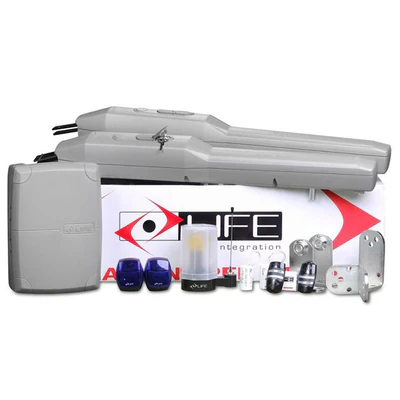
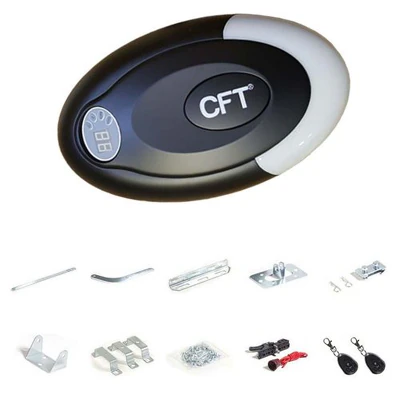
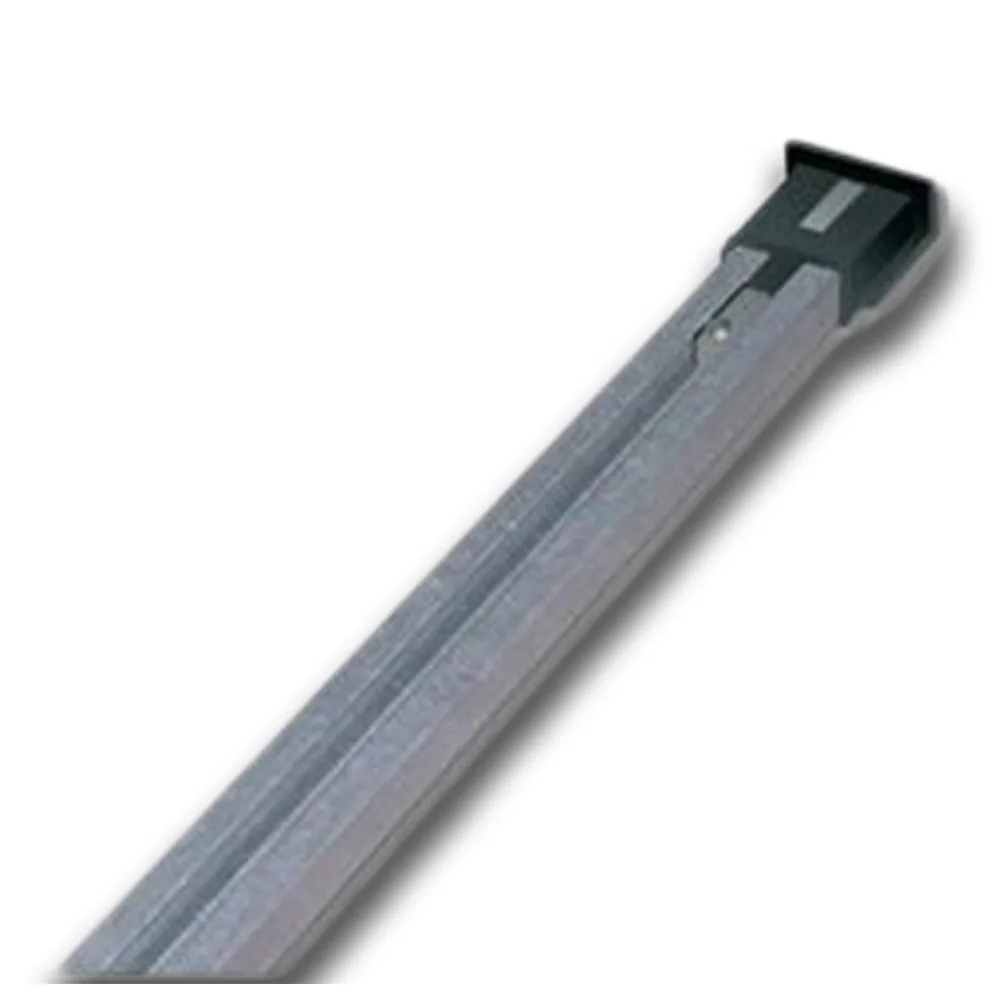
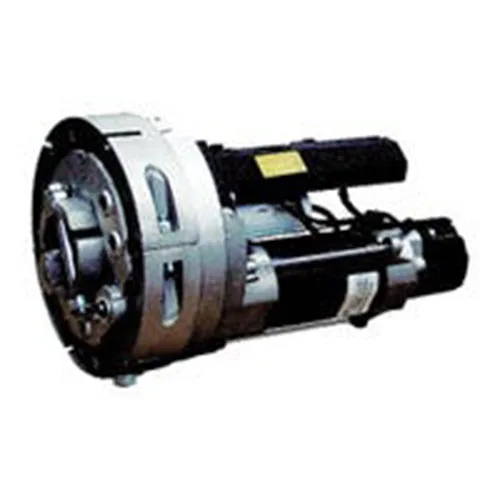
- Motors for sectional doors: Sectional automation, for surfaces from 20 to 45 m2.
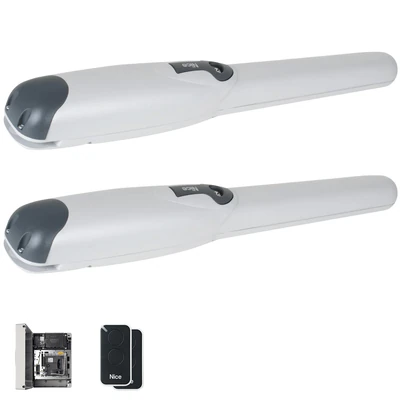
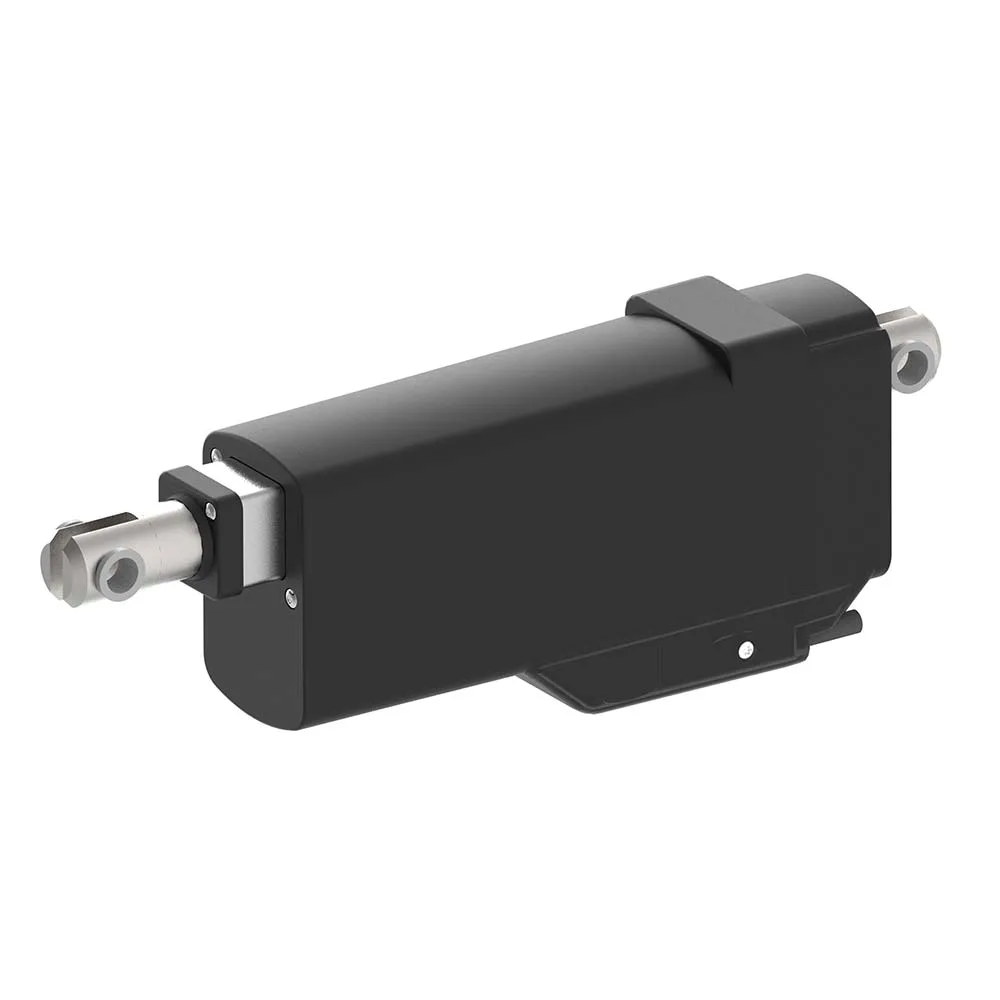
- Panel door operators: Folding door automations, Hydraulic or electromechanical.
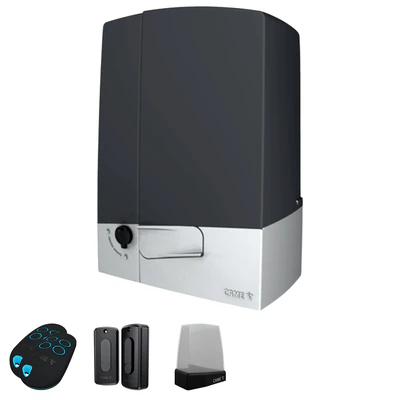
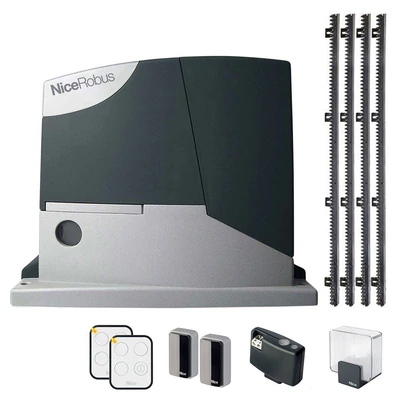
- Heavy sliding doors: Sliding door automation, with Came motors.
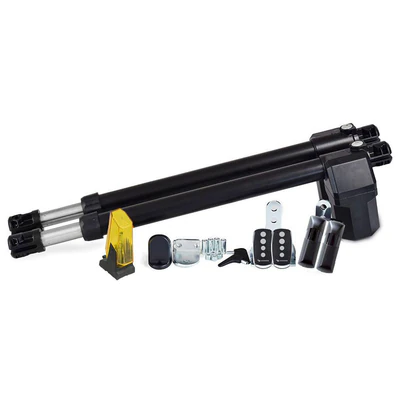
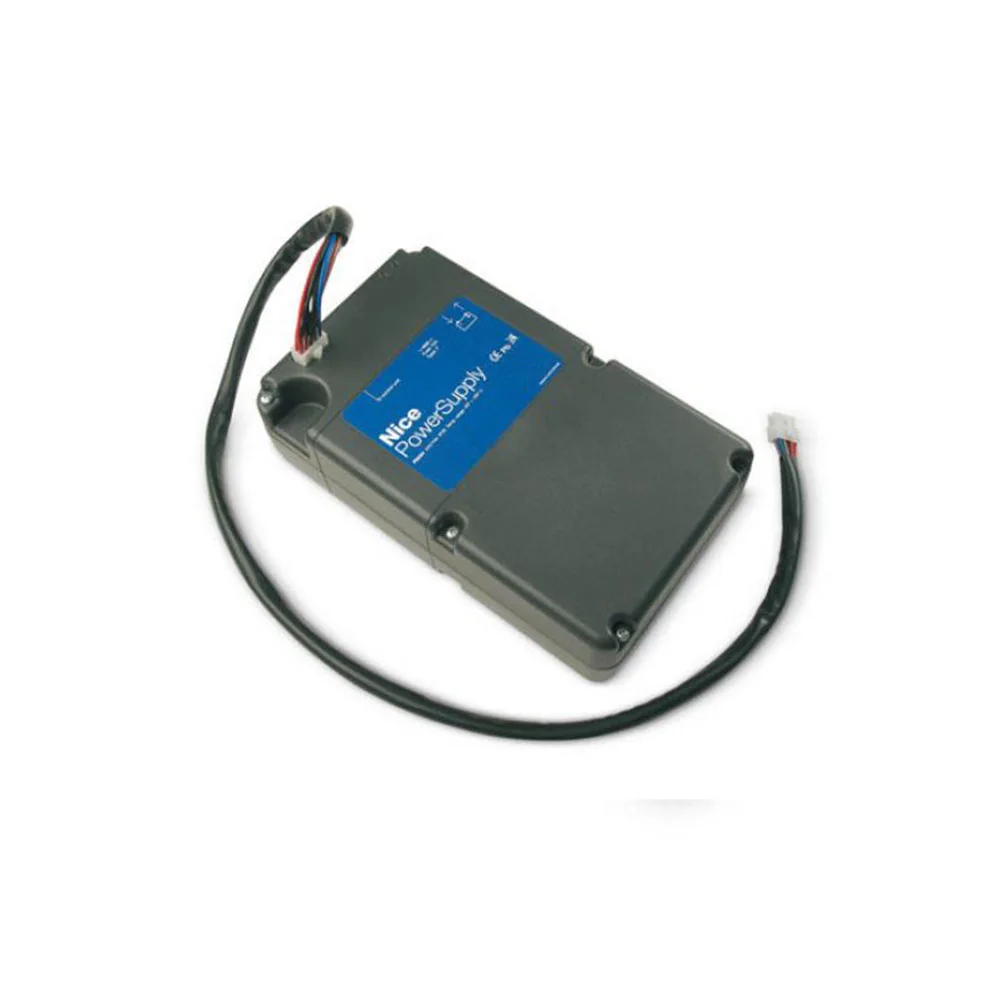
- Control units: Control plant, for sectional doors.
Sectional doors: BFT PEGASO engine
The BFT PEGASO series covers most of the situations in the halls. For example, PEGASO BCJA620L01 work at 230 V, for doors up to 20 m2, with a maximum torque of 50 Nm. The BCJA625 versions then climb to 25 m2 and 70 Nm. At the end of the game, PEGASO BCJA645W01 doors 400 V power supply and covers doors up to 45 m2, for intensive use, with 100 Nm.
The PEGASO models in the range have absolute encoder race limiter. Instead, it differs the unlocking system: some have chain release, others with double cable. The degree of protection also varies between IP54 and IP55. So, at automations for industrial halls with sectional doors, you read the complete model code, not just the series.
What the "deadman" option means
Some PEGASO models, such as BCJA625L11, appear as "deadman" operators. In other words, the door only moves as long as the operator holds the button. This logic is used where safety for automatic operation is lacking. However, the appropriate control mode shall be determined by the designer after the door risk analysis.
Version at 24 V: BFT ARGO
For doors up to 20 m2, range includes and BFT ARGO 24V. The kit comes with control unit with LCD display, receiver, flashing light and encoder. The declared force reaches 550 N, and the release is done manually.
Industrial automation for folding doors
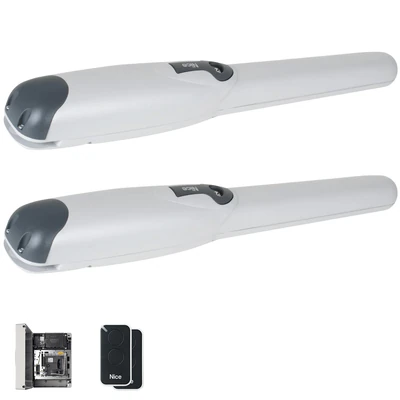
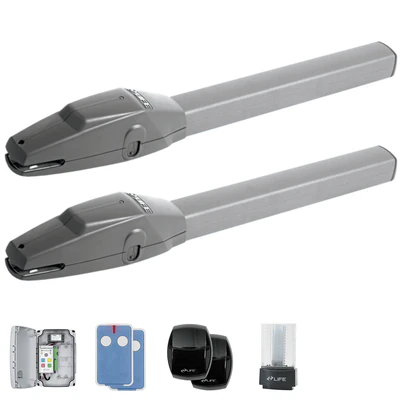
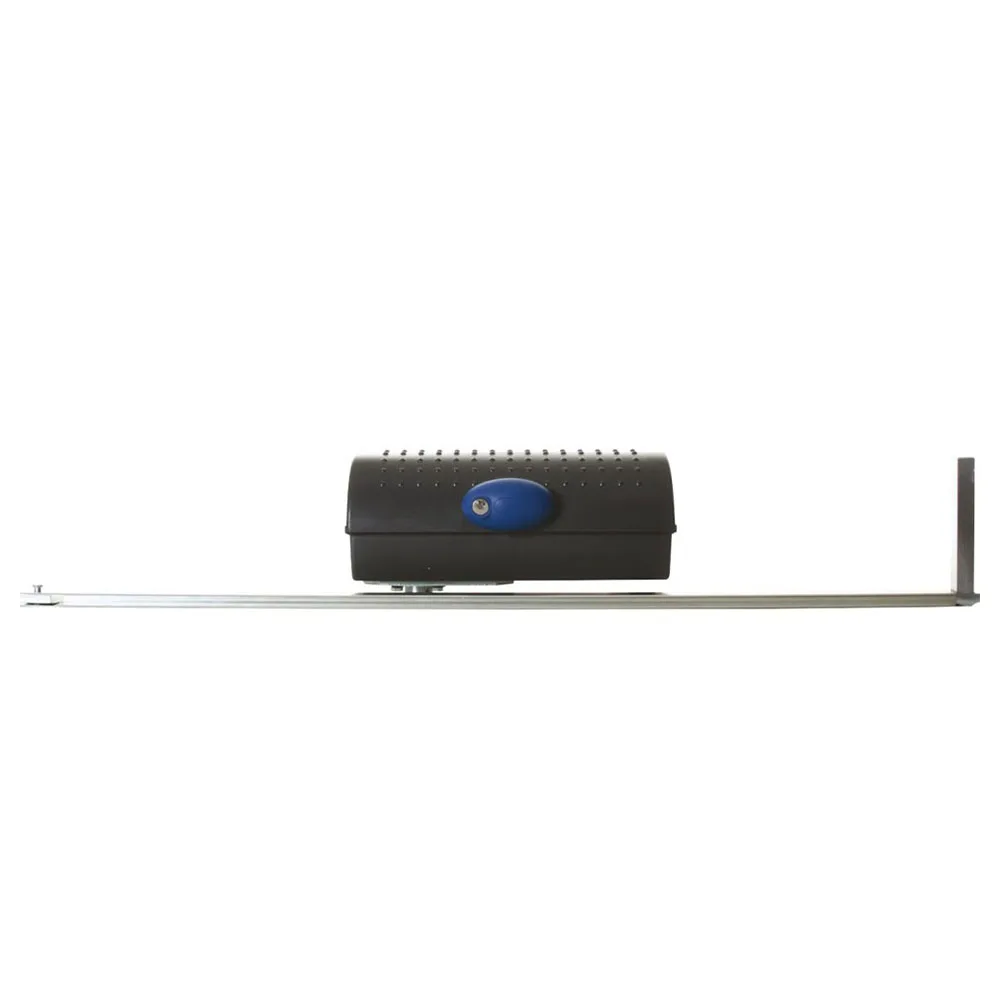
Folding doors with two panels need operators on the leaf. Here, BFT proposes two different technologies. BFT FORB doors a hydraulic operator, for doors up to 6 m2 and very intensive use. In addition, it has hydraulic protection against crushing. The FORB R and FORB ERSA variants stop at 2.4 m2, but add hydraulic retardation.
On the other hand, BFT IGEA LB He works electromechanics. It accepts panels of 2 m length and doors up to 250 kg, for semi-intensive use. Therefore, for automations for industrial halls with traffic very often, the FORB hydraulics offer more reserve.
Industrial sliding door motor: Came C-BX
Industrial sliding doors require a motor with large torque and fine adjustment. Came C-BX It has 450 W, and the C-BXK version reaches 750 W and has mechanical race limiters. Both work on sliding and sectional doors. The description gives maximum leaf values: 5.5 meters in sectionals by direct take, 8.5 meters with transmission on the chain and 11 meters in sliding gates. Thus, a single motor covers several types of automation for industrial halls.
Control unit and safety accessories
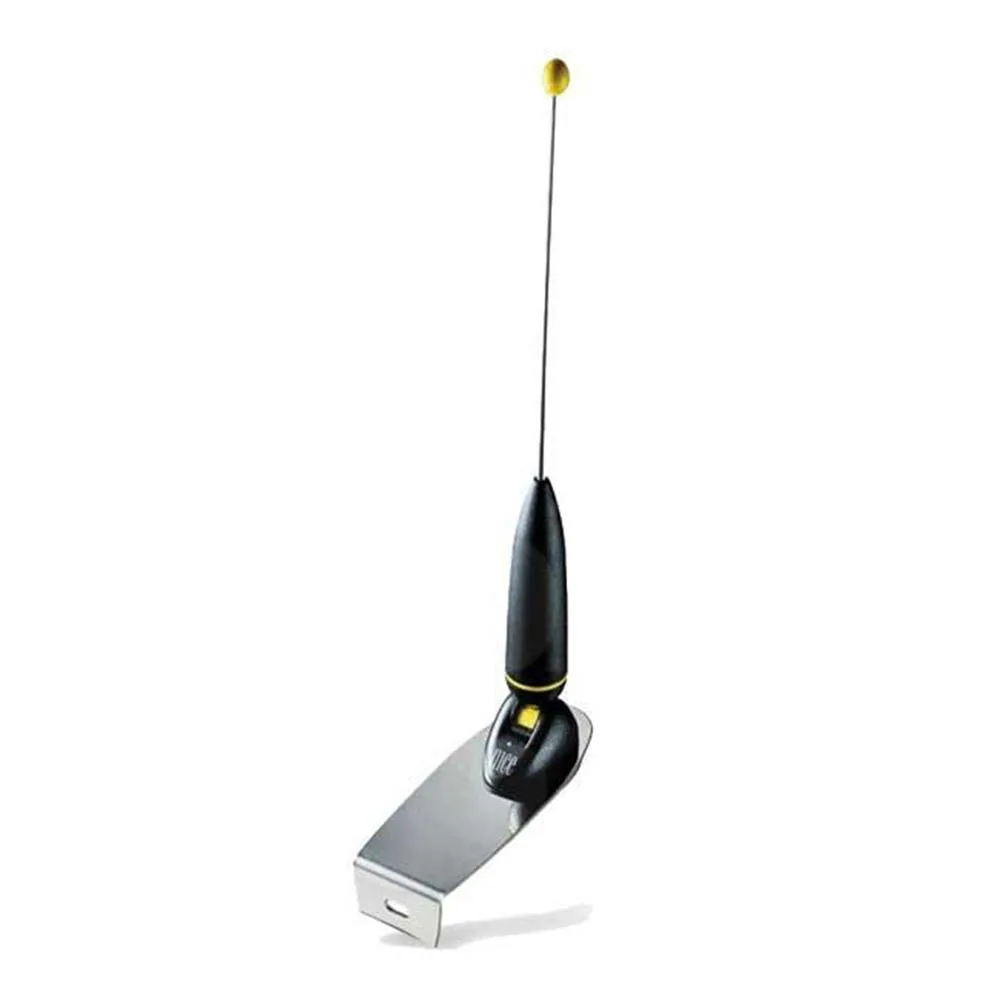
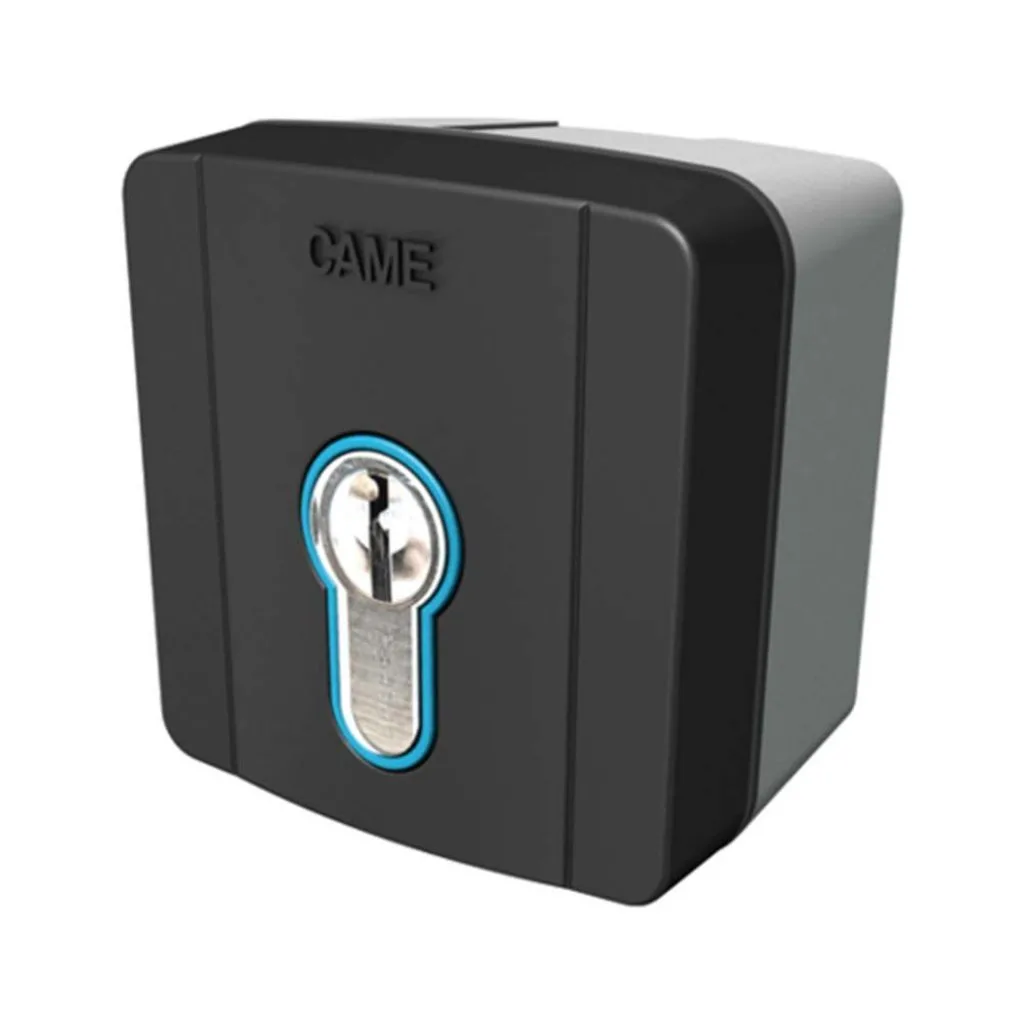
The engine doesn't work alone. The plant gives them orders, reads safety and manages remote controls. For example, central BFT ELBA BU use 230 V single phase power supply and include two remote 4-channel controls. In addition, for the halls it is worth adding Safety photocells and flashing lights. At the same time, at doors with car traffic, an inductive loop detector can control the opening without remote control.
How to choose automations for industrial halls
Before the offer, gather the data below. Thus, you get a correct recommendation from the first.
- Type of door: sectional, folding or sliding.
- The surface of the door in square metres and the estimated weight.
- The number of cycles per day, that is the intensity of use.
- Available feed: 230 V single phase or 400 V three phase.
- The desired control mode: Automatically, with remote control or with a holding button.
Also check the space above the door and on the side. At the sectionals, the engine needs a seat next to the trees. In foldables, the operator sits on the leaf, so it matters the thickness of the profile. Therefore, at automations for industrial halls, a site visit clarifies the details that the photos do not show.
Safety in industrial automation
A heavy industrial door can seriously hurt if it doesn't stop at the obstacle. That's why the safety rules at work also concern access equipment in the halls. Find official information on the website Labour Inspectorate. However, the final solution shall be established together with an approved installer after the risk analysis and the applicable requirements. In conclusion, automations for well-chosen industrial halls combine the right engine with the right safety.
Frequently asked questions about automation for industrial halls
Can I use a residential garage motor in a shed?
We don't recommend it. Residential engines usually do not support the high number of cycles. In contrast, the PEGASO and FORB series aim to use exactly semi-intensive and intensive.
When do I choose 400 V instead of 230 V?
The decision is based on surface and traffic. In the PEGASO range, 230 V models cover up to 25 m2, and 400 V to 45 m2.
Hydraulic or electromechanical at folding doors?
FORB hydraulics support very intensive use. IGEA LB electromechanical, on the other hand, matches semi-intensive traffic.
Can I just switch the center of an existing door?
Yes, after checking the engine voltage and the type of limiters. Then choose from the subcategory control plant Or ask the advice of a specialist.
See all solutions in category Industrial automation. If you don't know what automations for industrial halls fit your doors, the Automatizări Store team helps you based on size and work intensity.