Balanced rolling shutter automation: force, brake and release
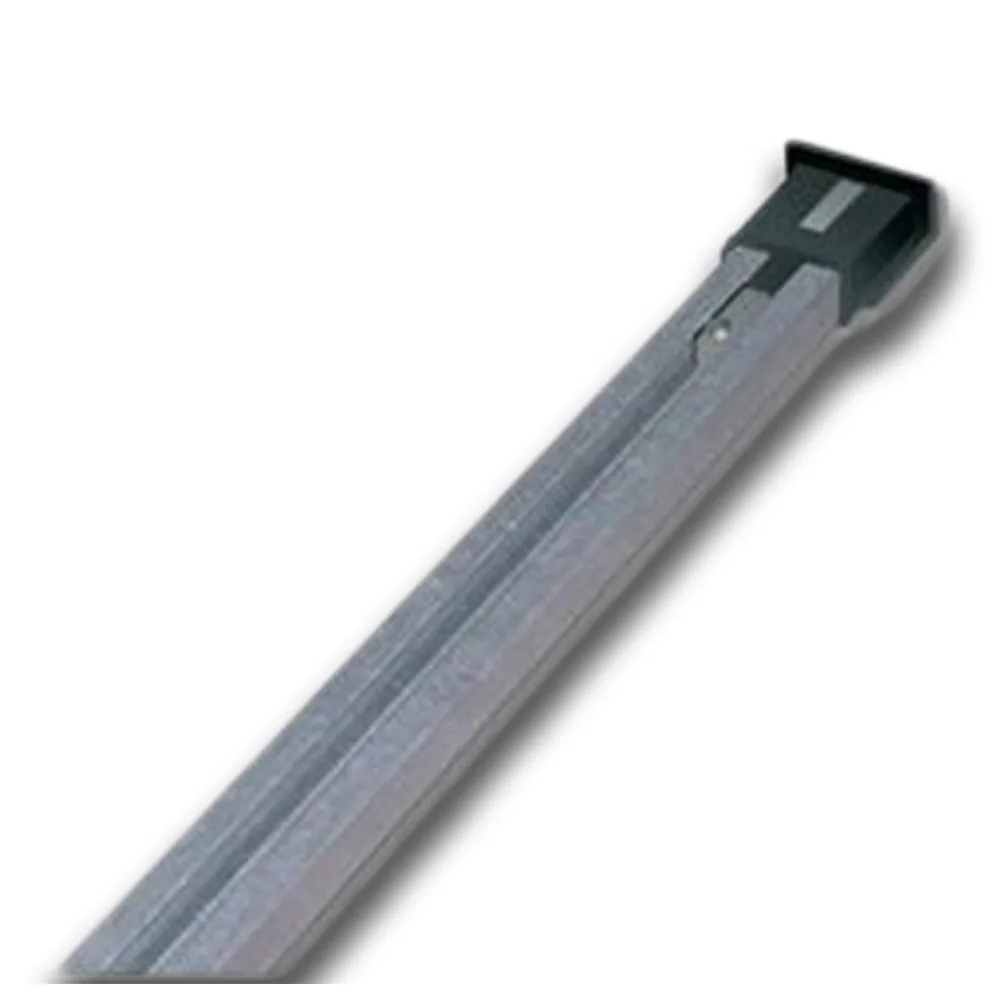
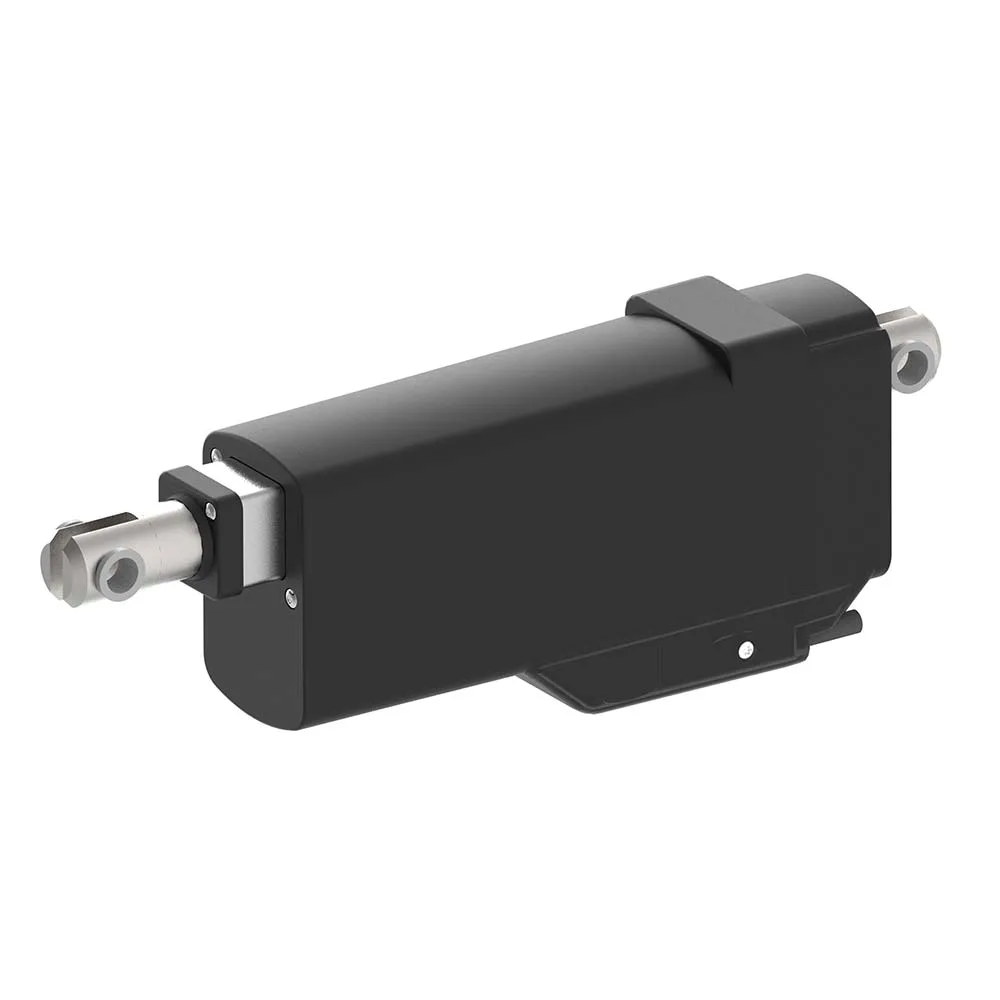
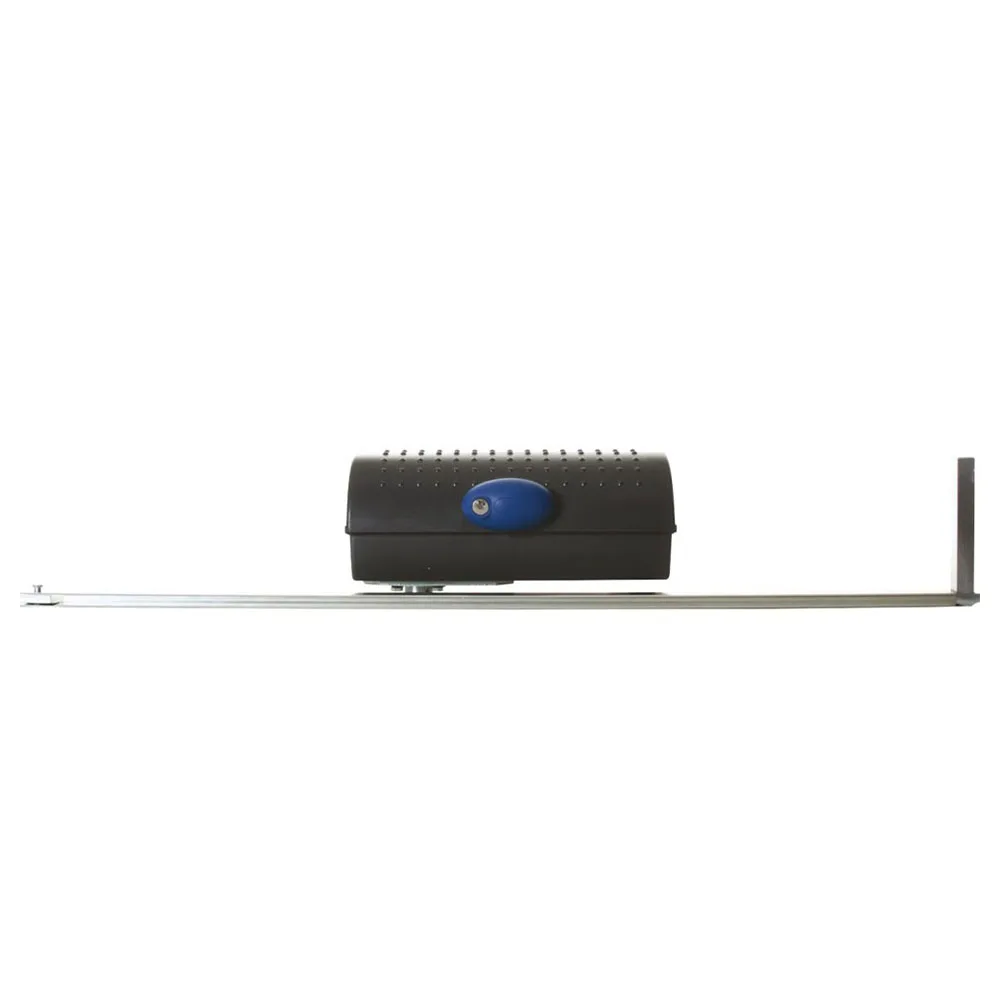
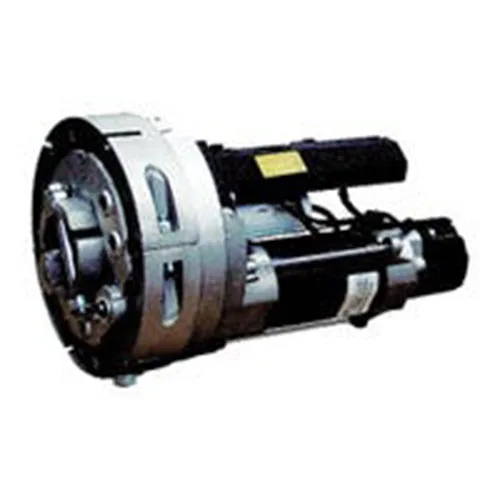
An shutter rolling automation for shops and garages usually uses a central motor mounted on the bow axis. The arches balance the weight, and the motor just rotates the axis. The choice depends on the lifting force, the axis diameter and the braking and unlocking system.
In short: check the balance of the arcs, choose the lift force with reserve, then decide between reversible, irreversible or brake motor.
Do you need help choosing?
Tell us what you need and we'll send you the offer on the same working day.
A properly balanced shutter requires an motor suitable for weight, axle diameter and mode of use. Unreversible variants keep the shutter closed, reversible ones allow manual lifting, and the brake adds safety. The release must remain accessible in the power supply. Also, the inside control limits unwanted access. Compare Nice, BFT and Euromatic models in the category of shutter automations, and our team helps you choose.
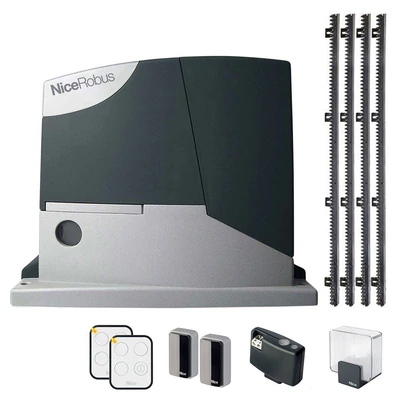
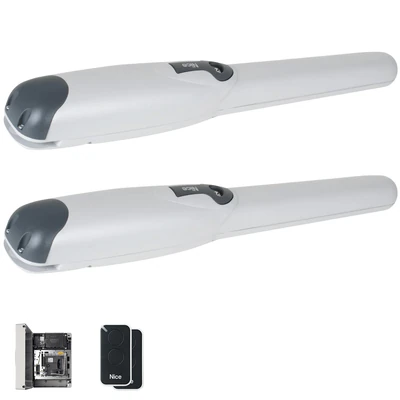
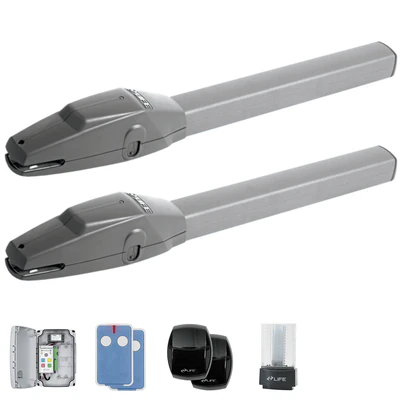
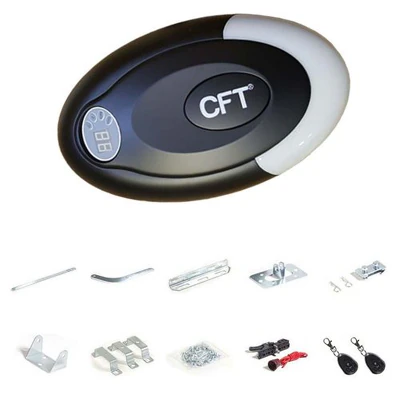
Rolling shutters from windows, small warehouses or garages often have balancing arches in the axis. For them, an shutter rolling automation means a central motor, mounted on the existing axis. This type differs from the tubular engines for the window rollers. Category Oblonous automations You can find Nice Giro, Nice Rondo, BFT WIND and Euromatic Roll models.
How to work a balanced rolling shutter automation
Axle arches compensate for a large part of the shutter's weight. Therefore, the engine does not lift all the weight, but only the difference and the frictions. That's why first check the manual balance. A well-balanced shutter stays in place halfway through the race.
- The engine is caught on the axle with a flange or adapter.
- The dynamite crown or gear shall transmit the movement to the axle.
- Race limits stop the oblonium up and down.
In other words, an shutter motor runs along with the bows, not in their place.
Power of a rolling shutter motor: from 130 to 340 kg
Each model indicates a maximum lifting force. The models in the category clearly show the differences.
- Rondo series starts with Nice Rondo RN2030, That's up to 130 kg.
- Version Nice Rondo RN2040 climb to 180 kg.
- For 170 kg there is Nice Giro GR170.
- The Giro GR340E01 model has a double motor, up to 340 kg.
However, this force refers to the balanced oblonium. So, an shutter with tired bows demands more than the calculation shows. Keep a reserve of force at any shutter rolling automation.
Double the engine at Nice Giro
The Giro series has a useful feature. The manufacturer shall indicate 170 kg for one motor and 340 kg with an optional additional motor. In other words, you can mount two units on the same axis at the side shutters. Thus, a rolling shutter automation increases with the size of the shutter.
Motor for reversible or irreversible rolling shutter
This choice changes the way the oblonium behaves without power. An irreversible motor blocks the axis when it sits. Thus, no one lifts the shutter with their hand from the outside. The series Nice Giro and Rondo RN2040 work irreversibly.
On the other hand, a reversible motor allows manual lifting. For example, Rondo RN2010 and RN2020 are reversible without brake. Further, Euromatic Roll offers complete reversibility, so manual opening. At the same time, it accepts an electromagnetic brake that makes it irreversible if the situation requires it. Therefore, Euromatic chooses the behaviour after assembly with the same motor for rolling shutter.
Automatic brake rolling shutter
The brake adds a safety level to the stop. For example, Rondo RN2030 is reversible, but has brake and release device. Instead, RN2040 combines irreversible brake operation. Therefore, at an automatic heavy rolling shutter, the brake is worth considering.
Axis diameter and torque
The engine must fit on the axle. Nice Rondo comes with a 200 mm flange. BFT WIND RMB 350B work on the ax with 200 mm arc. It has a maximum torque of 357 Nm and a power consumption of 1200 W. In addition, it includes adapters for arc supports and ax.
Thus, before the control measures the diameter of the axis and the diameter of the bow drum. An shutter rolling automation with the wrong flank is not mounted correctly. Furthermore, note the free space in the shutter box, as the central engine needs space next to the drum. If the shutter has a great old age, ask for and a check of the bows before mounting.
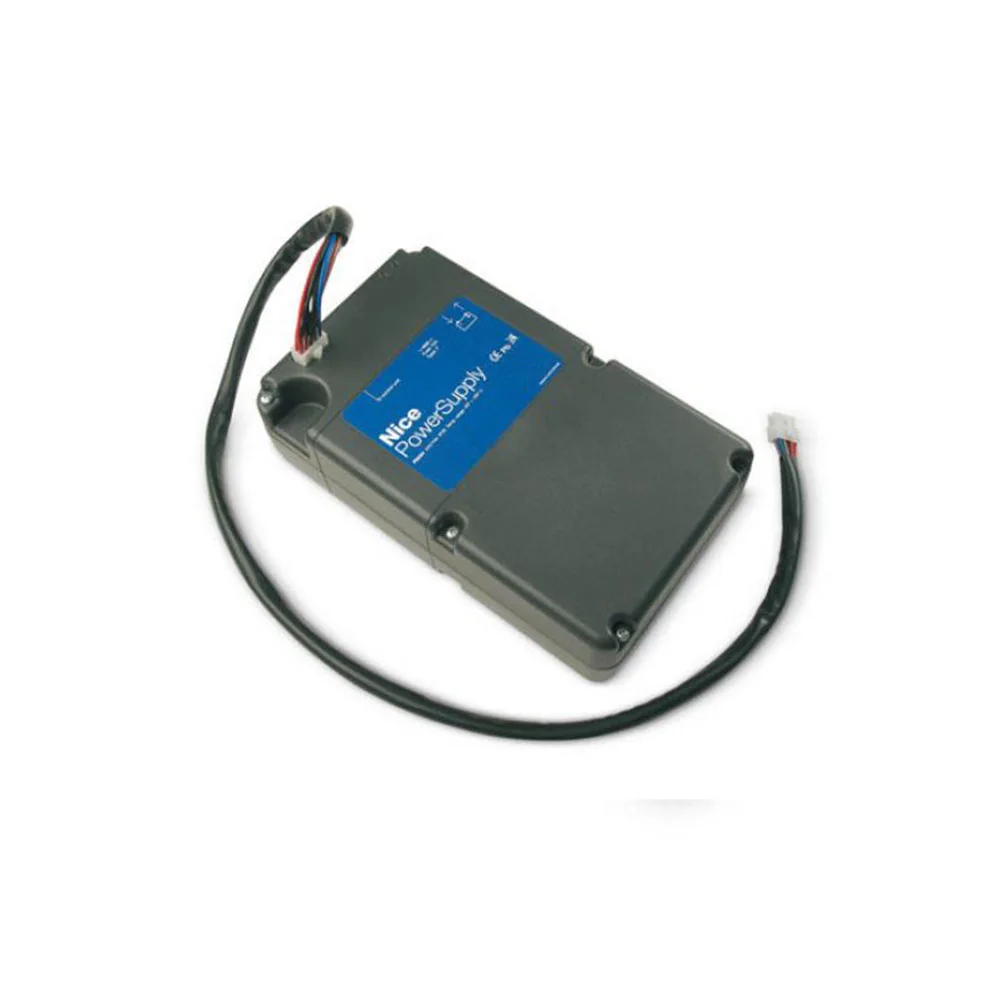
Unlocking the power supply
An irreversible shutter without power remains closed. That's why manual unlocking becomes mandatory in practice. For example, BFT WIND uses steel cable unlocking and electric brake button. At Euromatic Roll, instead, the release system is activated from the inside or the outside. So, at any shutter motor running check where the unlock is made.
When the shutter closes the only exit from a space, think and evacuate. The fire safety rules you find at IGSU. The final solution shall be determined after the project and the requirements of the authorities.
Command of an automatic rolling shutter
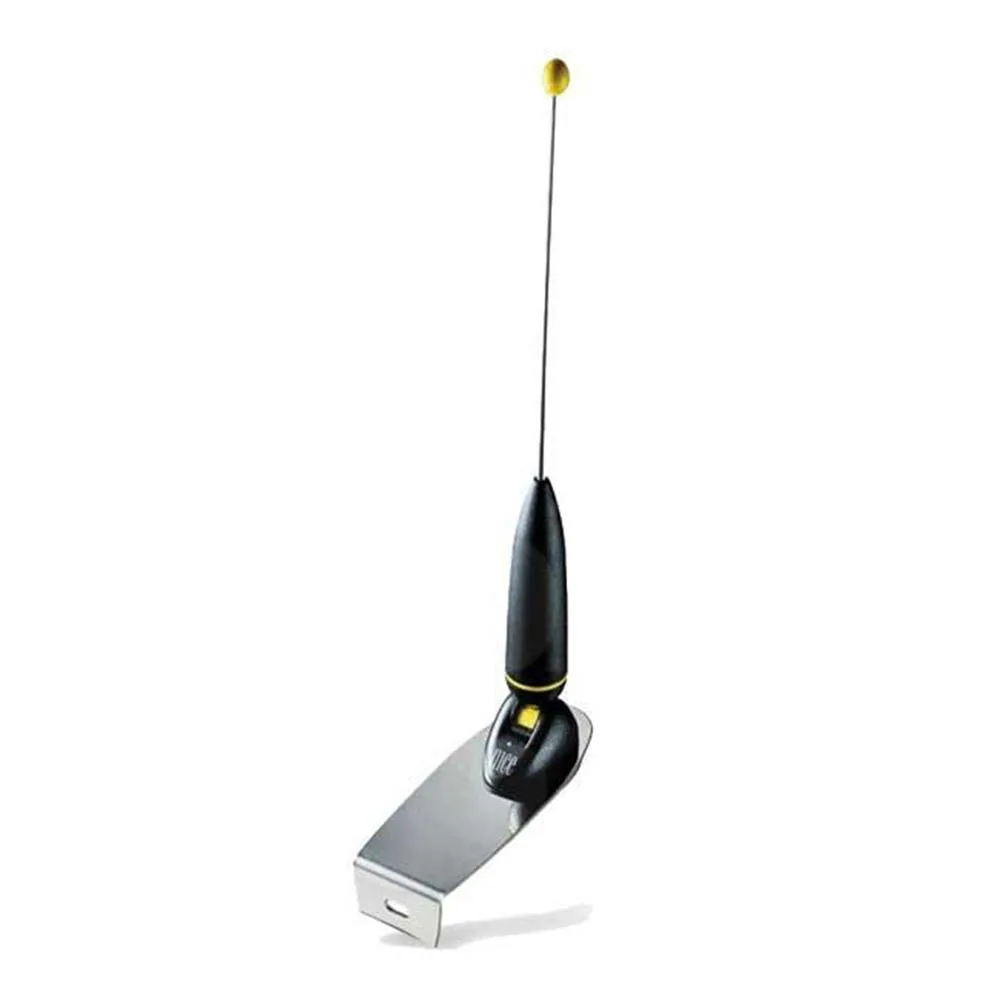
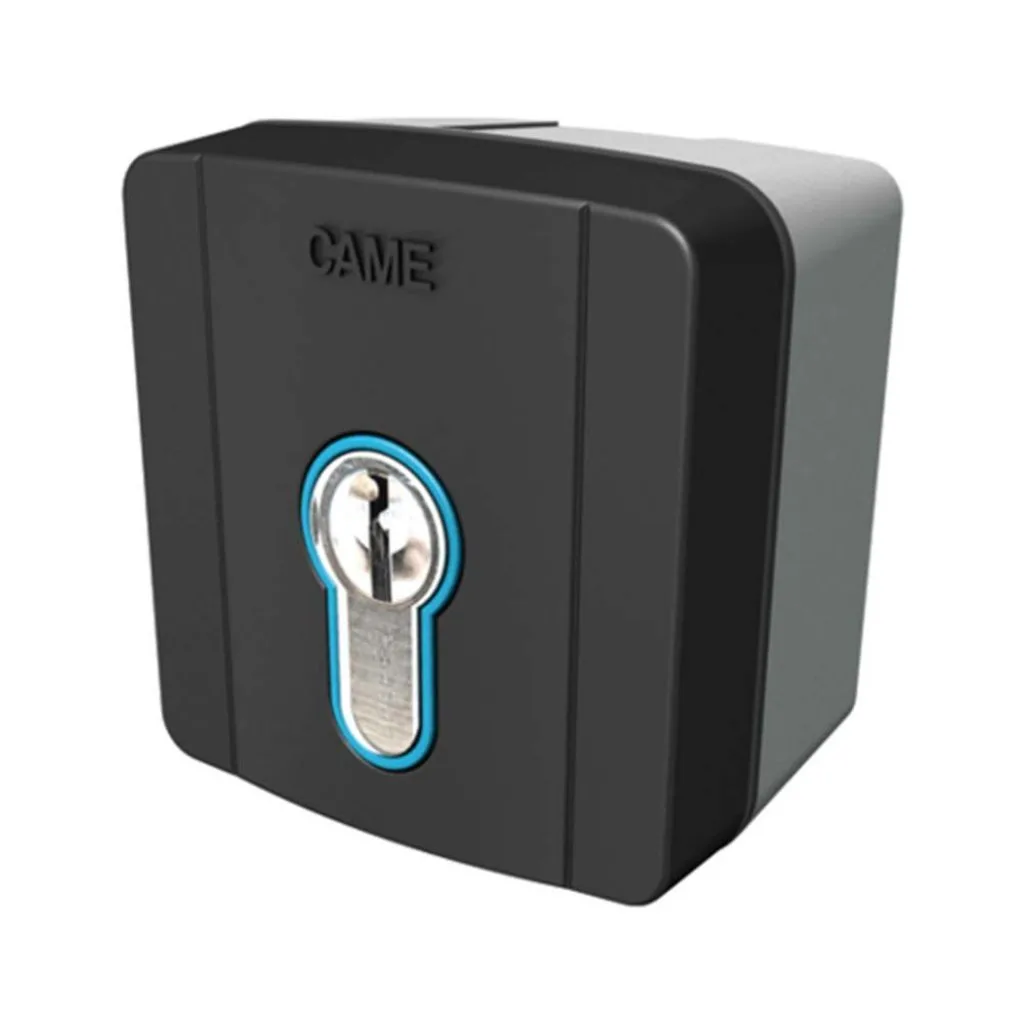
The 230 V engines in the category require a control, such as a button, a receiver control unit or a selector. Especially in stores, a key or an inside button limits access. Instead, the radio receiver allows remote control. At the same time, a power plant with automatic closure reduces forgetfulness at the end of the programme. Command accessories you find at control and programming, and a complete shutter rolling automation includes them from the beginning.
Maintenance after assembly
An automated shutter requires simple, but regular checks. First, clean the side guides of dust and debris. Then listen to the engine: a new noise often indicates a blocked blade or a tired arc. Also test manual release several times a year, so it doesn't surprise you in an emergency. Finally, check the race limiters because an shutter that goes down too much forces the blades down.
Frequently Asked Questions about Shutter Rolling Automation
Is any shutter motor running on my shutter?
Nope. The oblation shall have balancing arches, and the axle shall accept the engine flange.
What do I choose for a window shutter?
Usually an irreversible motor or one with a brake, because it keeps the shutter closed.
How hard can the oblivion be?
Depends on the model. Range ranges from 130 kg to 340 kg with double Giro motor.
Can I automate an shutter without bows?
Not with the central engines in the category, because an shutter rolling automation of this type requires functional arches. For such cases, it requires an evaluation of the shutter.
Choose the right shutter rolling automation solution from the category Oblonous automations or see the whole section of shadow automations. The Automatizări Store team helps you choose.