Safety edge gate: profile, roll and wireless variants
A safety edge on the neck stops or reverses the movement the moment the cane touches a person or an object. The photocells only see what passes through the beam, but the edge feels direct contact. We'll show you what variants there are, from ready-cut profiles to 10 meter rollers and wireless transmitters.
In short: choose the length of the profile, the type of power supply of the transmitter and the appropriate interface of your control station.
Do you need help choosing?
Tell us what you need and we'll send you the offer on the same working day.
A safety edge on the closing edge reduces the force of impact where the photocells do not reach. Choose the Nice CMA profile when the length fits, or roll 10 meters for atypical leaf. For cableless doors to the leaf, use the TCW1 in the shade and TCW2 in the sun, along with the IBW or IRW interface. Periodically test the pressure reaction. Find all components in the category safety edge.
A gate safety edge turns a physical contact into a stop signal for the control unit. Unlike photocells, it also reacts to low obstacles or to the hand caught near the pole. In the following rows we start from Nice products in the catalogue and explain how you combine them.
What makes concrete a safety edge on the gate
First, the rubber profile has inside a contact or circuit sensitive to pressure. Thus, when the cane hits an obstacle, the profile is compressed and sends the signal. Then, the power plant stops the engine and usually reverses the short motion. Therefore, the impact force remains small, even though the photocells have not seen anything.
The photocells protect the passage area, but do not cover the space between the leaf and the pillar. Therefore, we recommend a safety edge collars on the mutt that closes to the wall or other leaf. In particular, at the sliding gates, that closing point remains the most exposed.
Profile ready cut or roll of 10 meters
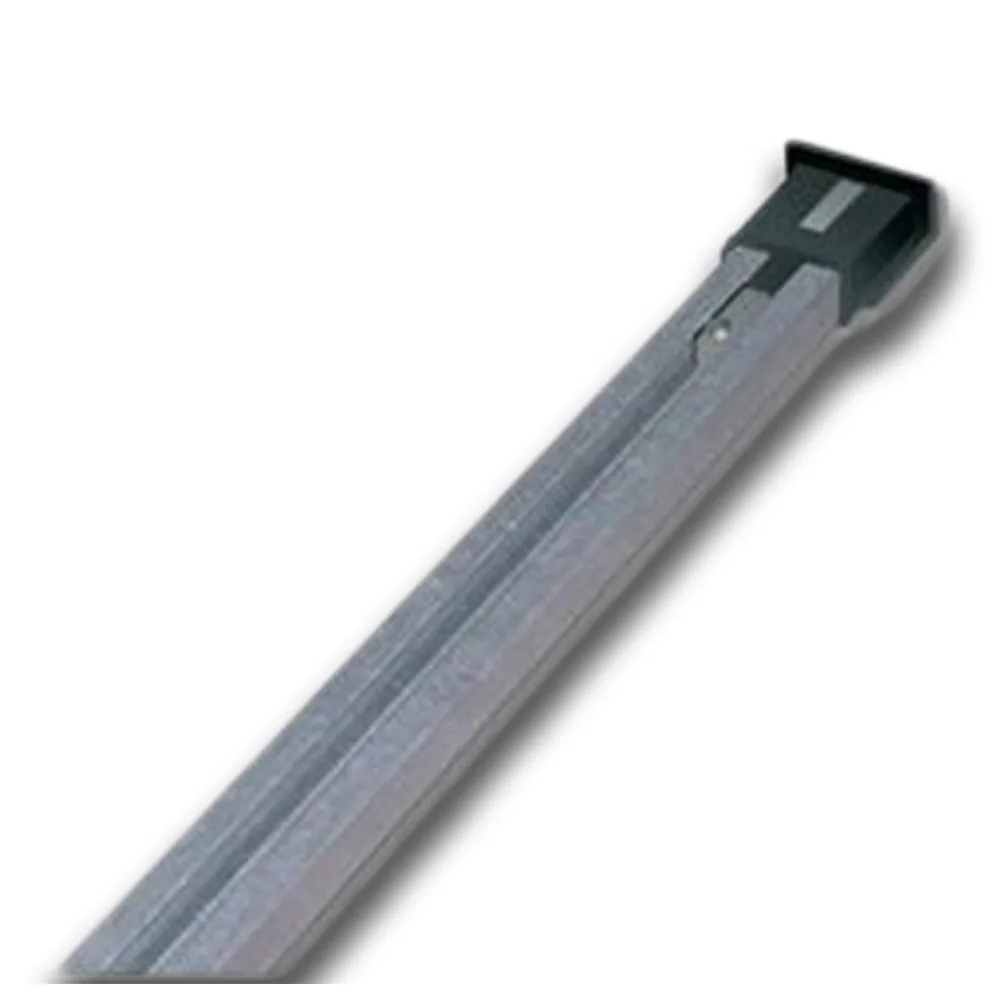
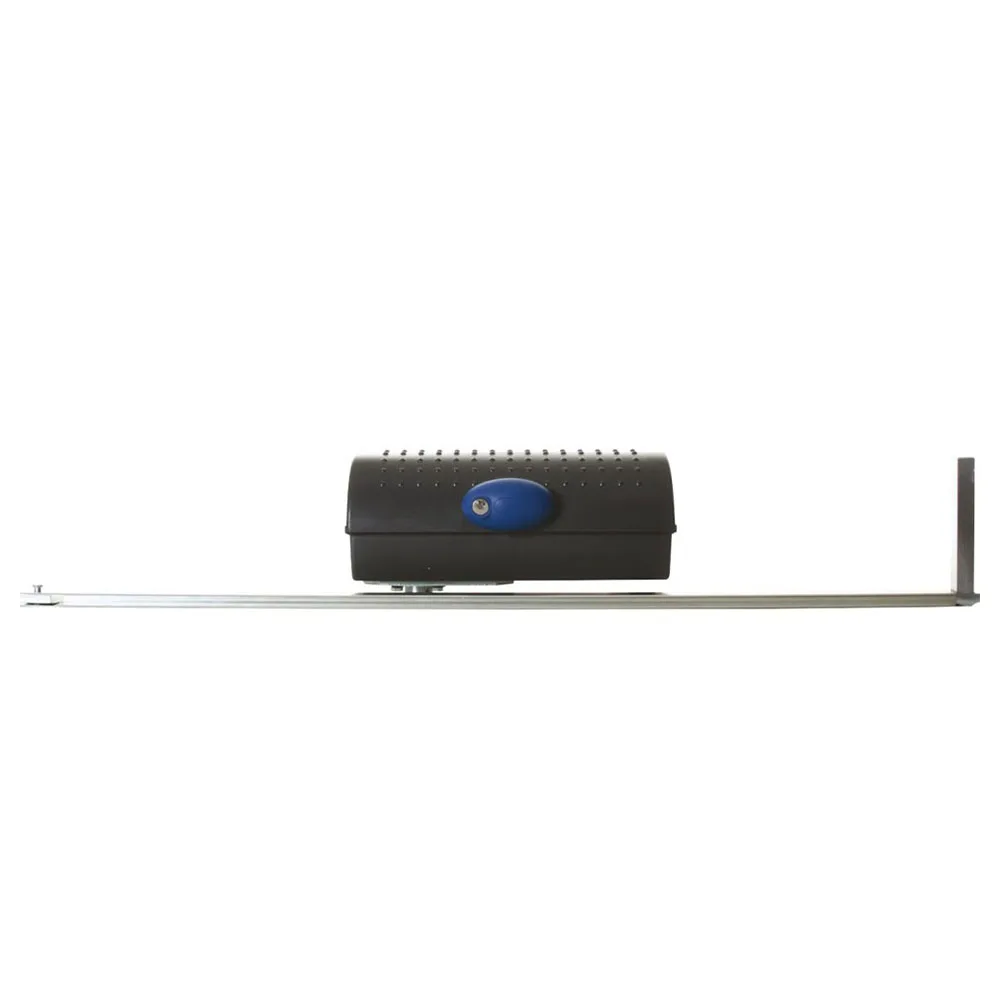
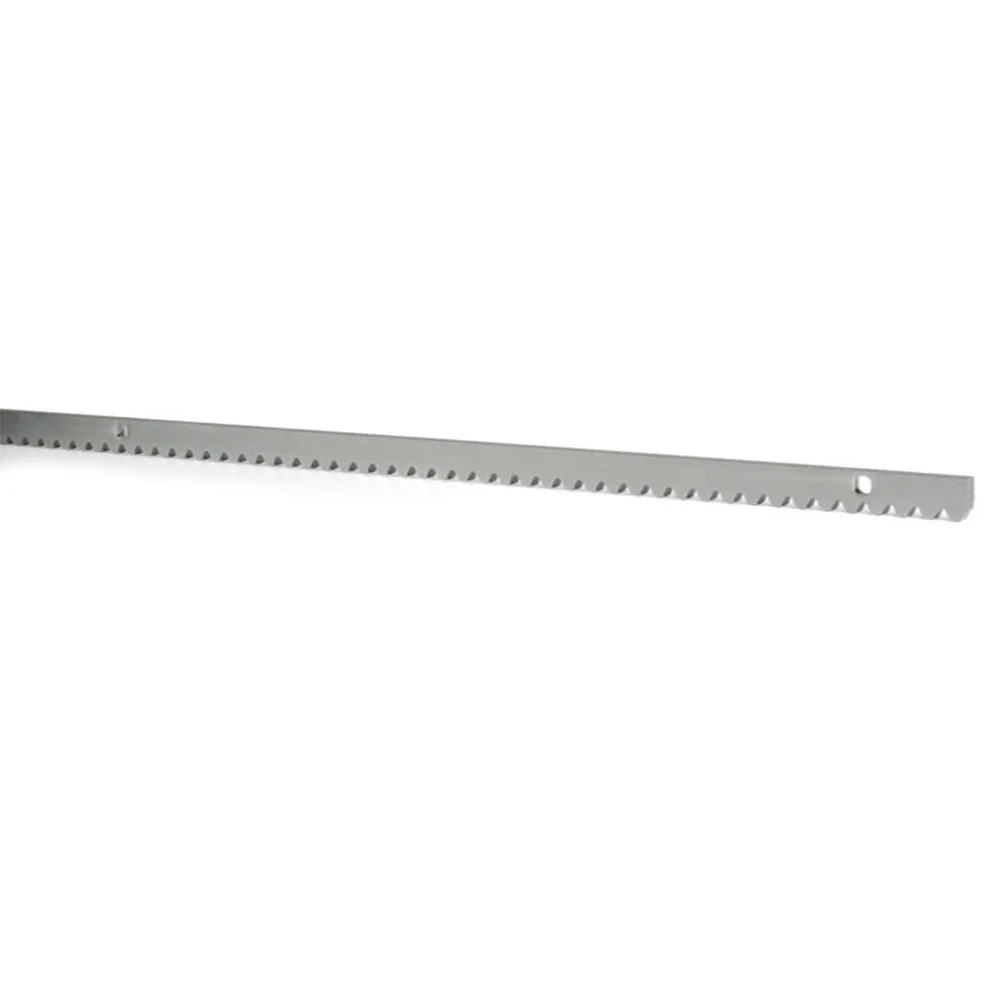
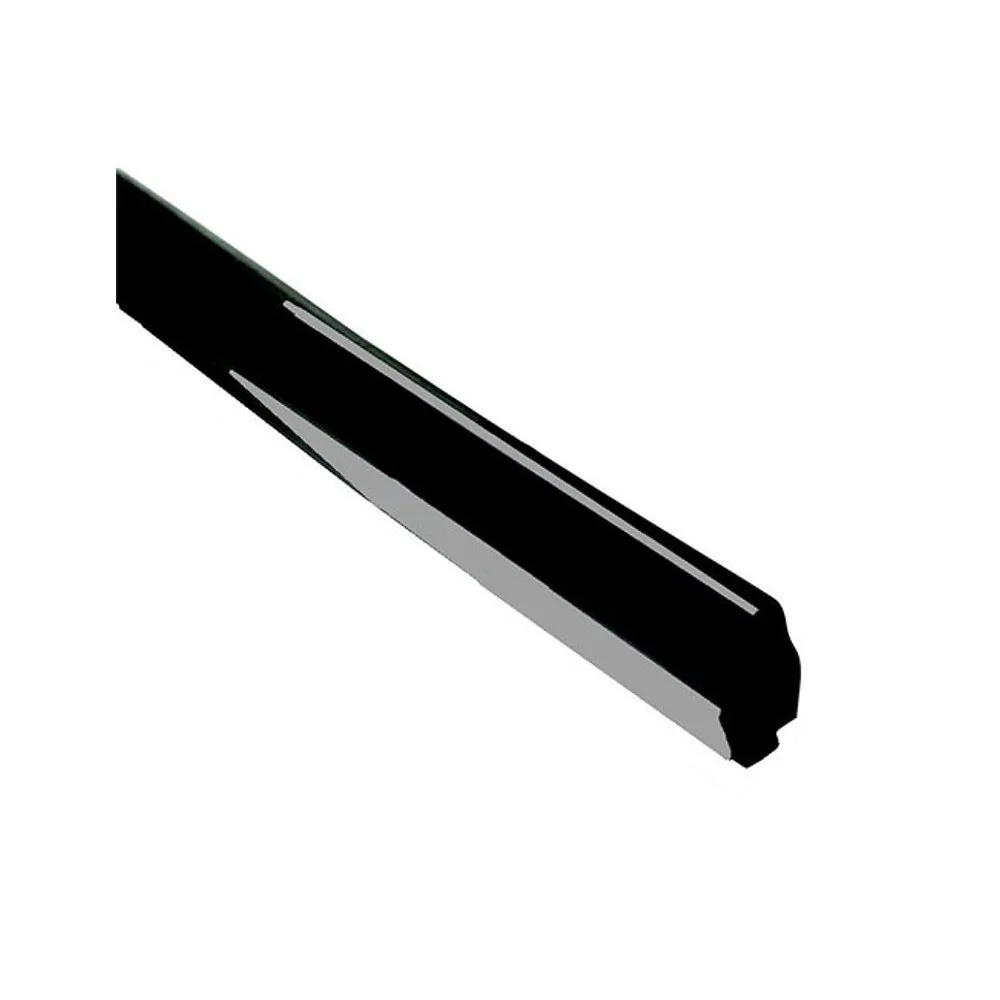
For example, Nice offers two approaches. The first is mechanical aluminium profiles, the CMA series, in fixed lengths of 1.5 m, 1.7 m, 2 m and 2.5 m. The profile has 36 x 75 mm and is fixed to swing gates or sliding. Instead, the second variant uses the 10 metre rollers, from which I cut exactly the desired length.
- CMA series: ready-assembled profile, fast mounting, fixed length.
- Roll TCB65: resistant edge, cut on request.
- TCBS60 roll: Passive sensitive edge, still rolling 10 m.
- CMBK4 and CMBK6 kits: lower mechanical wing for 4 m or 6 m profiles.
Thus, a safety edge of the CMA series matches when the length of the muchia coincides with one of the four dimensions. Instead, at atypical or very long leaves, the roll gives you freedom. The CMBK kits are used together with the CB profile, according to the Nice file.
Where you mount the edge on the sliding and the batanty neck
At the bottom, the first position remains the front end, which reaches the closing pole. Then it's worth protecting and the back end, if between leaf and fence remains a space where the hand enters. At the barbarian gate, the critical area appears towards the hinges, but also on the rendezvous of the leaves.
Also think about the bottom of the cane. The lower wing built with the CMBK4 or CMBK6 kits covers exactly this area. Therefore, a well-placed gate safety border fills out the photocells, does not replace them.
Safety edge gate at entrances with high traffic
At a common yard or at the entrance of a firm, the kitchen moves dozens of times a day. In this case, there is also a chance that someone will pass during the closure. Therefore, it is worth protecting both sides of the cane, not just the frontal. Also, at the long gates, the 10 meter roll covers the bottom end throughout the length. At the same time, a safety edge gate with wireless transmitter no longer requires spiral cable, which often gives way to many cycles. In other words, at high traffic you invest in full coverage and maintenance-free food.
Wireless power supply: TCW1 or TCW2
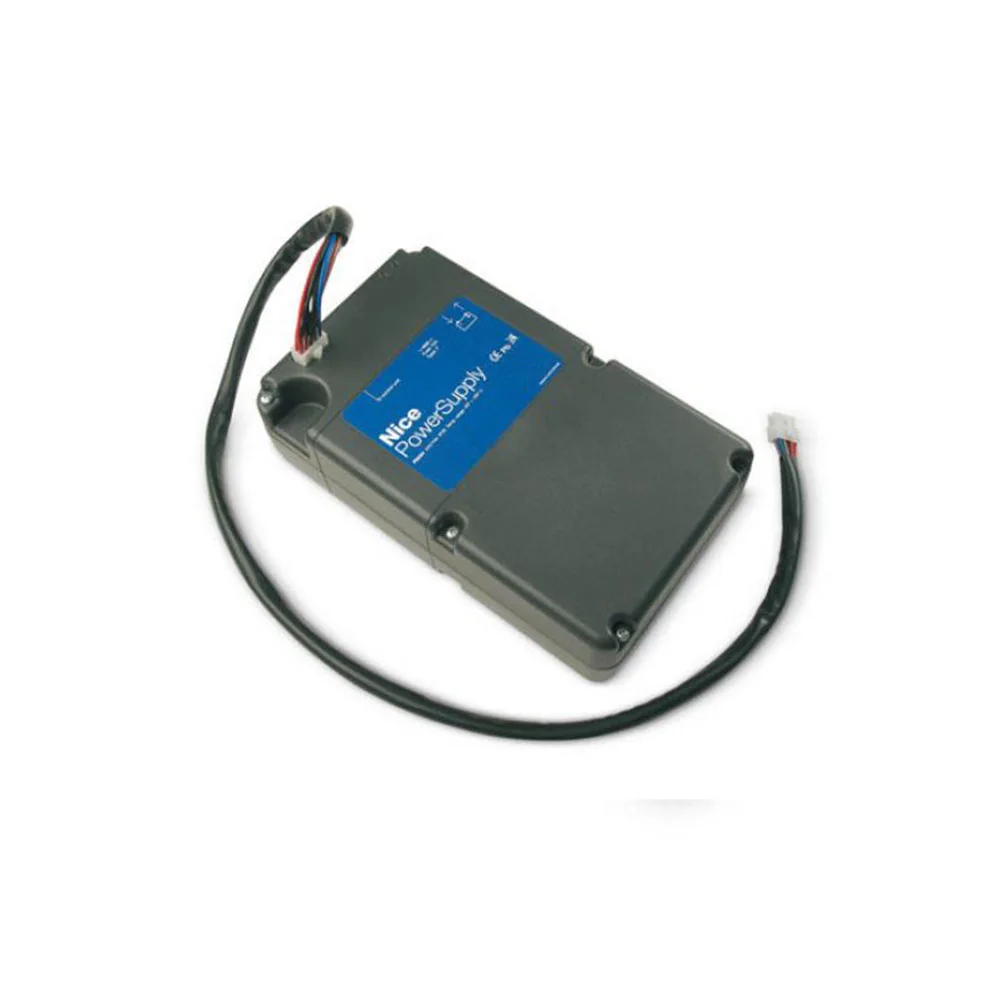
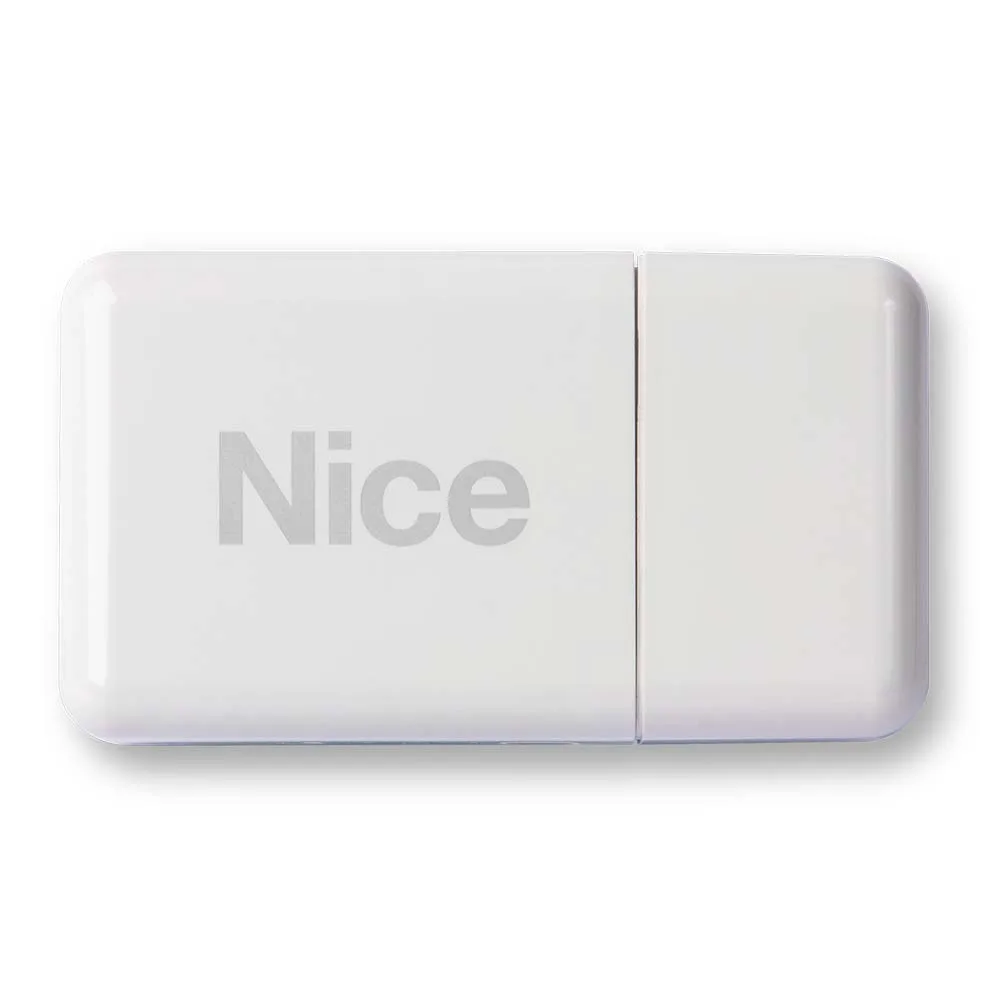
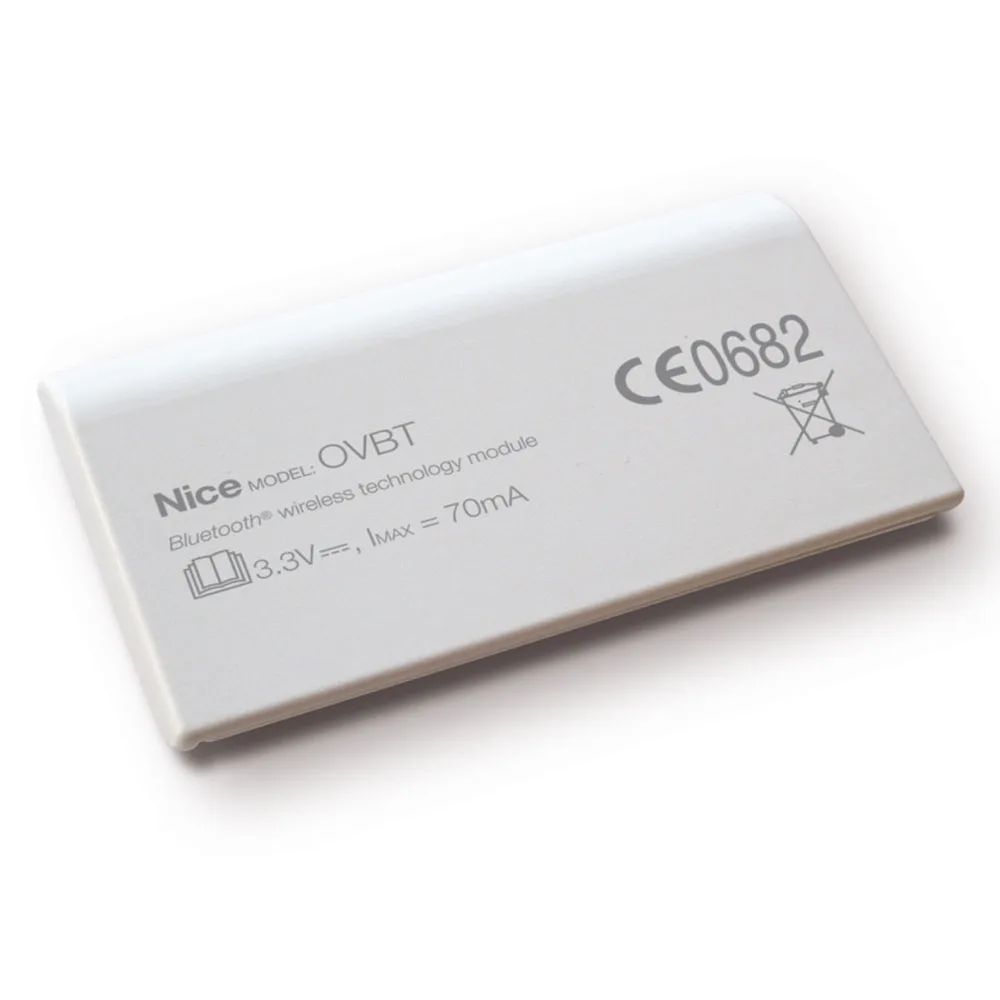
The cane moves, therefore a cable to the edge is used in time. For this reason, Nice proposes wireless transmitters that stand directly on the gate. For example, the TCW1 model works with batteries and fits inside or in sunless areas. Instead, TCW2 has photovoltaic panels and rechargeable batteries for outdoors and sunny places.
In other words, choose after the orientation of the portion. A safety edge gated in the open yard, to the south, goes well with TCW2. On the other hand, a gate in the shade of a building or a closed garage requires TCW1.
How does the edge signal get to the power station?
The transmitter on the leaf communicates wirelessly with an interface next to the power station. Nice has two variants in the category various interfaces. The IBW interface works with BlueBUS power plants and also accepts PHW wireless photocells or LLW lamp. The IRW interface has exit on the relay, for conventional stop and photocell input plants.
First, check what's inside your power station. If BlueBUS has it, choose IBW. If it only has stop terminals, choose IRW. Thus, a wireless gate safety edge also works on older automations.
How to periodically check a safety edge on the gate
However, rubber ages in the sun and ice. Therefore, check the profile at least a few times a year. Also, press the edge with your hand during closing and see if the mouths stop immediately. In addition, in battery transmitters note the date of the exchange.
- Look for cracks or areas crushed in the profile.
- Test the pressure reaction at several points.
- Cleans the photovoltaic panel of TCW2 of dust.
- Replace the TCW1 batteries before they are completely discharged.
European guides on work equipment and moving parts areas find them on website of the European Agency for Safety and Health at Work. At the gates of firms, a tight safety edge is part of the workplace risk assessment.
Frequently Asked Questions about Safety Edge
Can I only use photocells, without safety edge on the gate?
Technically, yes, I mean the power station starts and without the edge. However, the photocells do not cover the space next to the pole, so we recommend both protections.
What lengths do I choose for a safety gate?
First, measure the dirt you're protecting. The CMA series is 1.5, 1.7, 2 or 2.5 m. For other dimensions, cut out of the 10 m roll.
How much do the transmitter batteries hold?
The duration depends in particular on the number of cycles and temperature. The TCW2 model recharges its batteries from the solar panel, so it needs natural light.
Concrete examples found in Nice CMA 2MT, roll Nice TCB65, TCW2 transmitter and CMBK6 kit. Complete the protection with the models in Safety photocells.
In conclusion, a safety edge chosen after length, food and center closes the gaps left by the photocell. See all variants in category safety edge. The Automatizări Store Team helps you combine the right profile, transmitter and interface.